
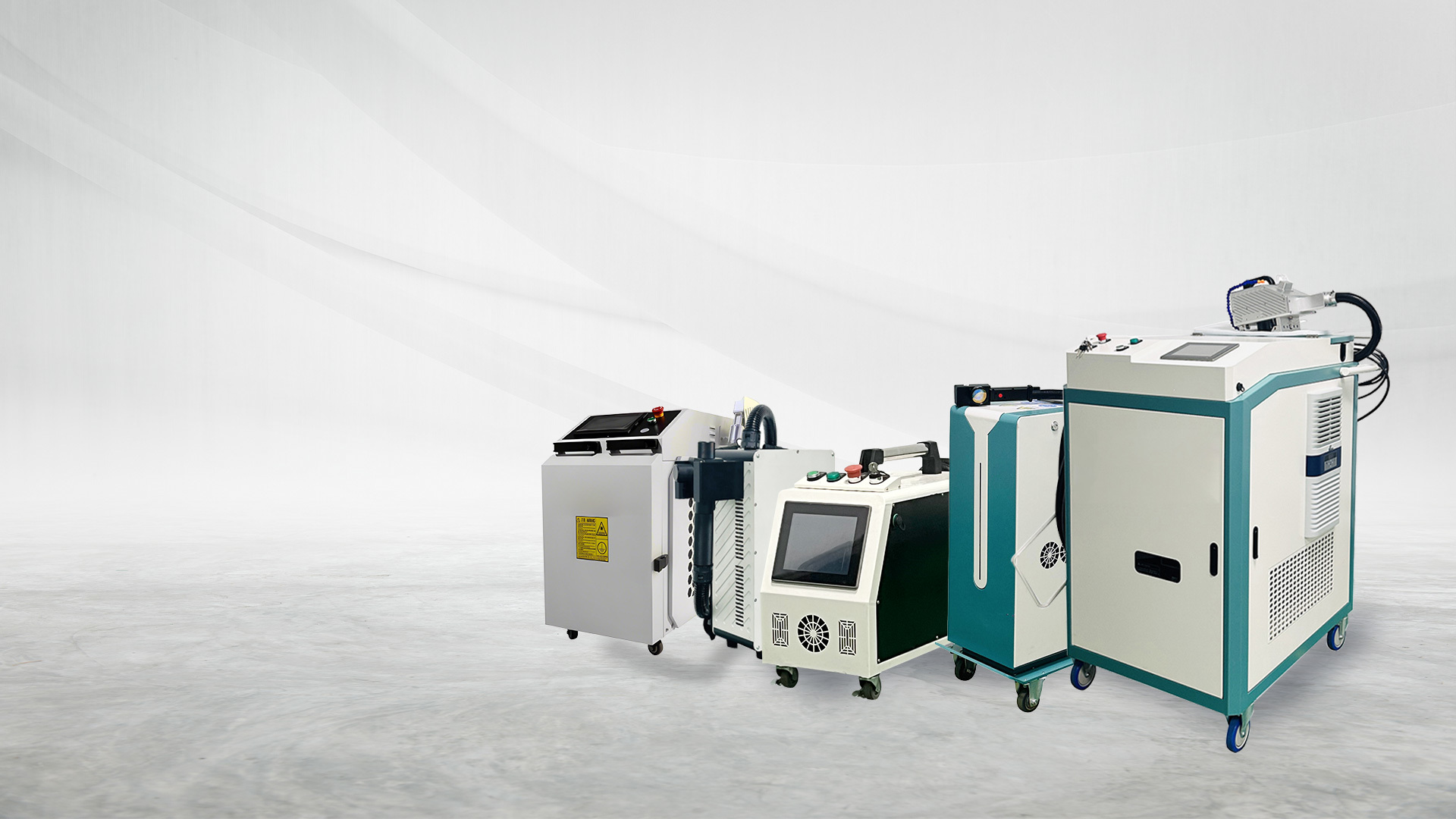
Laser Cleaning Machine

The laser cleaning machine has the characteristics of non-contact, good cleaning effect, environmental protection and non-pollution, flexible operation, automated integration, and small damage to the material, which is widely used in metal processing, cultural relics surface cleaning, electronic manufacturing, aerospace, mould cleaning and many other fields.

Learn more
Laser Welding Machine

Laser welding machine with high energy density, high quality and precision, clean and environmentally friendly, high flexibility, widely used in automotive manufacturing, electronics and electrical appliances, aerospace, medical equipment, hardware kitchen and bathroom, shipbuilding, new energy and other fields.

Learn more
Laser Marking Machine (Fiber/UV/C02)

Laser marking machine processing speed, high precision marking, non-contact processing, permanent marking, widely used in all kinds of metal, wood, leather, paper, fabric pattern marking, toys, packaging, industry Keli, glass, water products, ceramic surface marking.

Learn more
scroll down

About Us

Udibo Industrial Machinery Co., Ltd. 

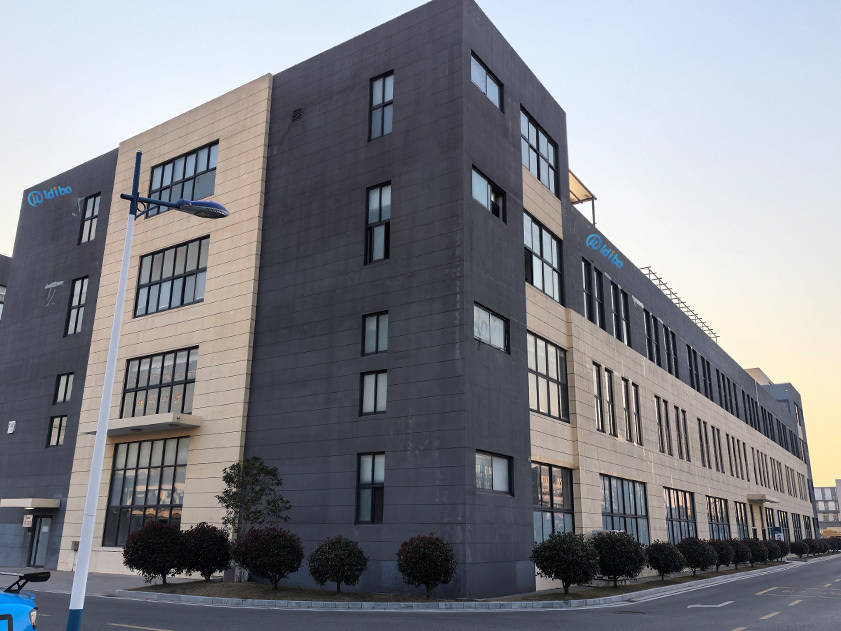
Udibo Industrial Machinery Co., Ltd. is headquartered near Shanghai, in the beautiful land of fish and rice, Suzhou, China. It is a high-tech enterprise integrating equipment research and development, manufacturing and sales. After more than ten years of deep cultivation in the field of industrial machinery, it is committed to the research and development, design and development, technical support, service and consulting of industrial machinery, striving to save costs for customers, customize first-class industrial equipment, and provide customers with efficient, accurate and reliable equipment, comprehensive solutions and high-quality services.
Learn More ›
about

NEWS & BLOG


2026-05-19

Trolley Type Fiber Laser Cleaning Machine Rust & Paint Remover

For decades, automotive repair shops have relied on chemical strippers, abrasive sandblasting, grinding discs, and wire brushes to remove rust, paint, grease, and surface contaminants from metal components. These methods work, but they come with significant drawbacks. Chemicals generate hazardous waste, require special disposal procedures, and expose technicians to toxic fumes. Sandblasting damages underlying metal surfaces, creates airborne dust that settles throughout the workshop, and requires extensive masking of adjacent areas. Grinding discs remove material unevenly, leaving scratches that need additional finishing. Across Europe and North America, stricter environmental regulations are making these traditional methods increasingly expensive and legally complicated to maintain. As a direct response, a growing number of independent repair shops, restoration garages, and automotive parts remanufacturers are adopting pulsed laser cleaning technology as a cleaner, faster, and more cost-effective alternative.

Learn more


2026-05-18

Why Small Fabrication Shops Are Switching to Handheld Laser Welders in 2026

The global sheet metal fabrication market is projected to reach $91 billion in 2026. Yet small and medium-sized shops face persistent challenges: rising labor costs, a shortage of skilled welders, and pressure to deliver faster turnaround. In response, many are turning to handheld laser welding technology. The handheld laser welding machine market is growing at a remarkable 22.4% compound annual rate, expected to reach $2.53 billion by 2032. What is driving this shift? For small workshop owners, the advantages are increasingly clear: higher speed, lower operating costs, a much shorter learning curve than TIG or MIG, and consistently better weld quality.

Learn more


2026-04-30

Laser Cleaning Technology Reshapes Ship Maintenance and Repair Operations

Ship maintenance has traditionally relied on sandblasting, grinding wheels, and chemical treatments for rust removal, paint stripping, and surface preparation. These methods are not only labor-intensive and time-consuming but also generate significant waste streams and expose workers to hazardous dust and fumes. In an industry where downtime directly translates to lost revenue, the search for faster, cleaner, and more cost-effective maintenance solutions has intensified.

Learn more